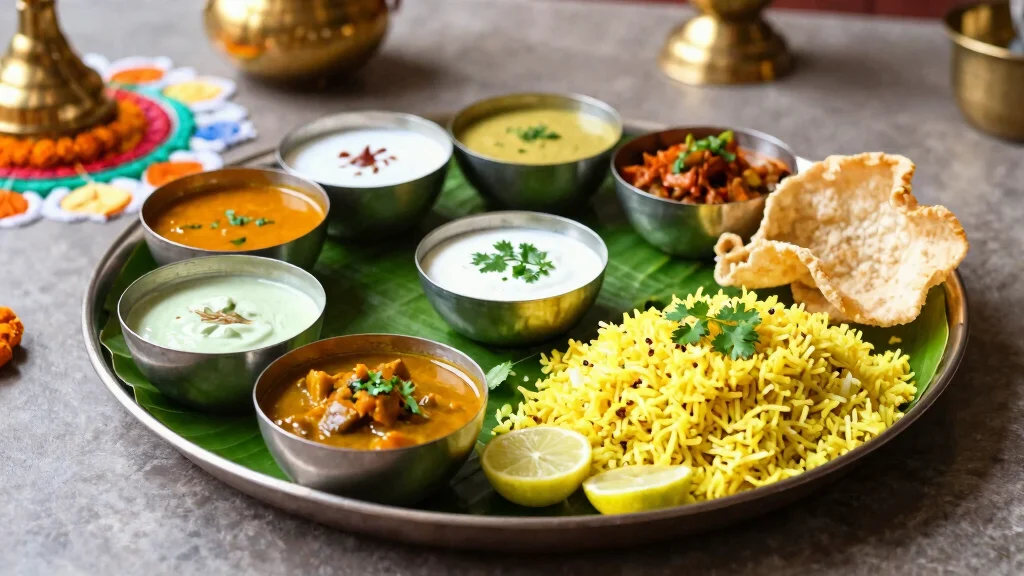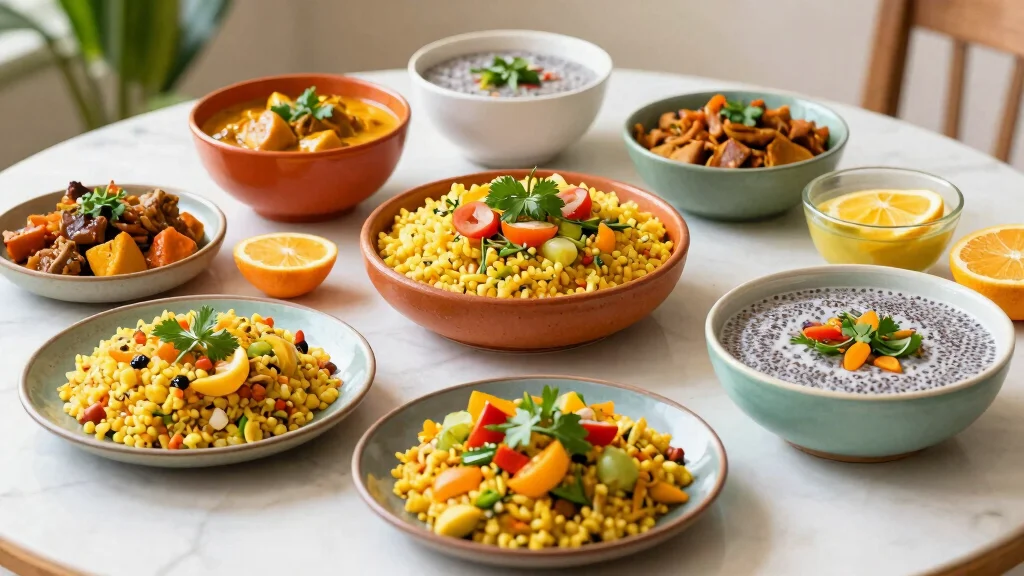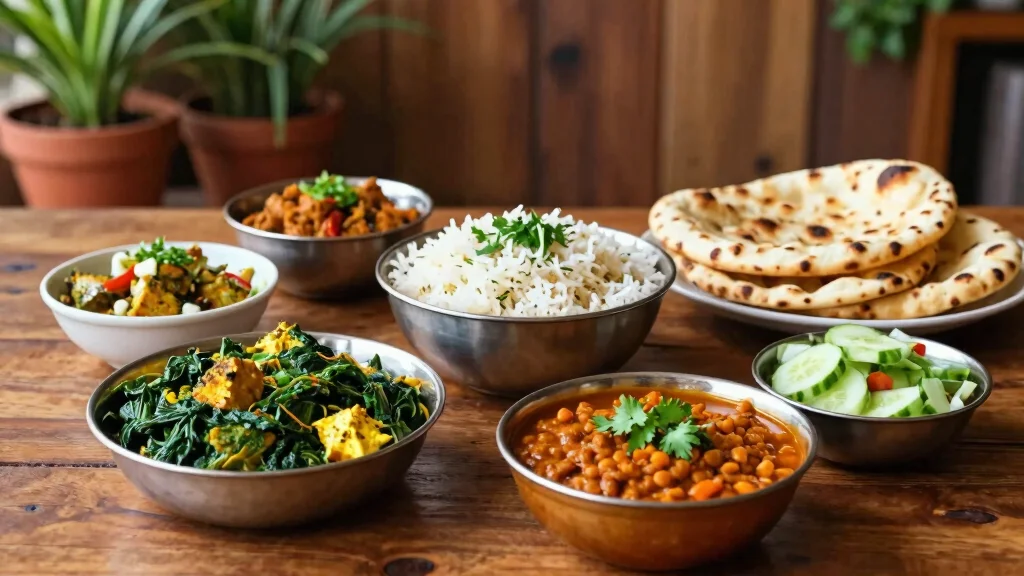

Breakfast is often called the most important meal of the day, and I couldn’t agree more! If you’re looking for new ideas to kickstart your mornings with something delicious and nutritious, you’ve come to the right place. This post dives into the world of South Indian breakfast recipes, which are not only flavorful but also surprisingly healthy. Why did I put this together? Because I believe that starting your day with wholesome food can make all the difference, especially for those on a weight loss journey.
Are you someone who craves variety in your meals? Do you want to explore different ways to enjoy your breakfast while keeping it healthy? Then this collection is just for you. Whether you’re a busy professional, a health-conscious individual, or a parent trying to provide nourishing meals for the family, these recipes will cater to your needs. They’re designed to be easy to prepare and satisfying to eat, making your mornings a breeze.
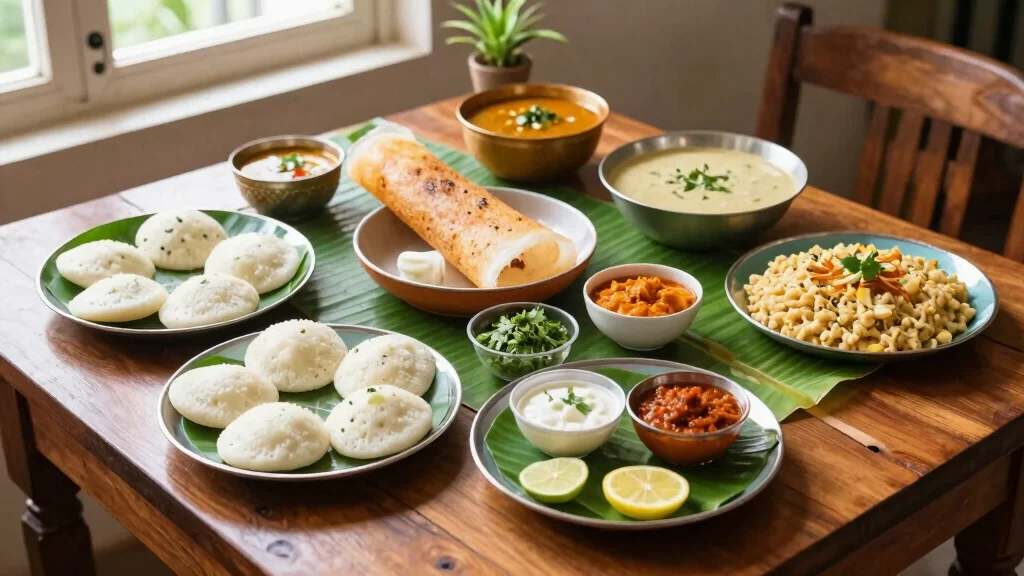
In this post, you’ll discover 17 classic South Indian breakfast recipes that are perfect for weight loss. From the fluffy and light idli to the crispy and savory dosa, each recipe is crafted to keep you energized without compromising flavor. You’ll also find tasty upma and comforting sambar, along with delicious chutney variations that elevate every dish. These meals are balanced and packed with nutrients, ensuring you start your day off right.
So, get ready to explore these mouthwatering options that are not just good for you but also a treat for your taste buds. Let’s break down these recipes and show you how to bring the vibrant flavors of South Indian cuisine to your breakfast table!
Key Takeaways
– Learn to make healthy idli recipes that are low in calories and high in protein.
– Discover various dosa variations that keep breakfast exciting and nutritious.
– Explore upma recipes that are quick to prepare and perfect for busy mornings.
– Find out how to spice up your meals with flavorful sambar recipes and chutney recipes.
– These classic dishes help you enjoy a weight-loss-friendly breakfast without sacrificing taste.
Recommended Products
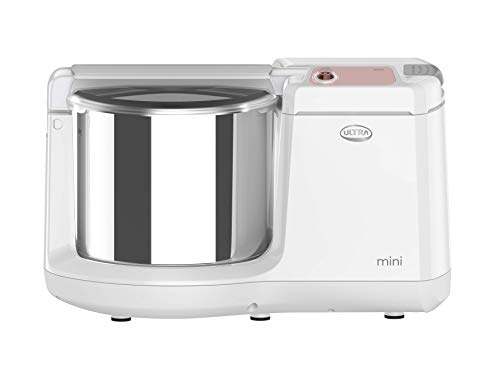
1.25L WET GRINDER - Ideal for a family of 4

Enjoy light and airy Dosa and Idly made from fresh, nutritious ingredients.

PERFECT FERMENTATION EVERY TIME - IdliRise Pro is specifically designed for fermenting authentic dosa and idli batter with precise temperature control (30°C/86°F). No more guessing - get consistently soft, fluffy idlis and crispy dosas just like you'd make back home.
1. Idli – The Classic Steamed Rice Cake
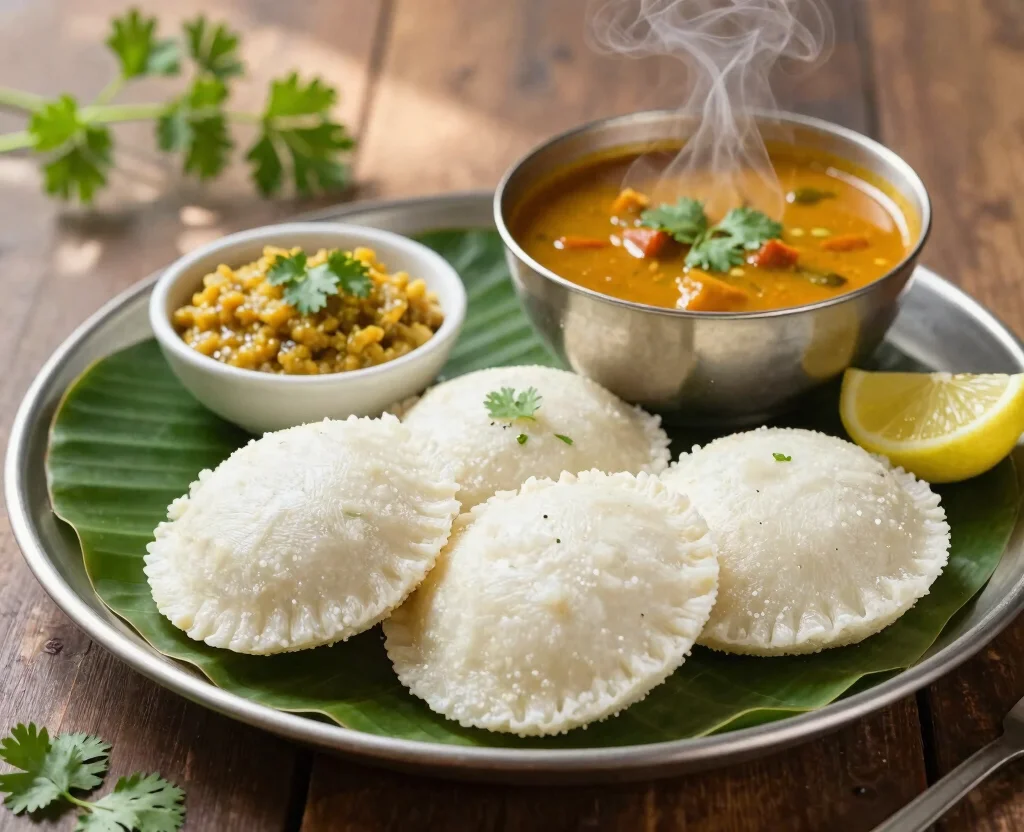
Craving a light and fluffy breakfast? Idlis are the perfect way to start your day with a nutritious twist. These steamed rice cakes are made from a fermented batter of rice and urad dal, making them not only delicious but also packed with protein and low in calories, ideal for your health goals. Served alongside spicy sambar or tangy coconut chutney, they offer a fulfilling and wholesome experience that will keep you energized.
Ingredients:
– 1 cup of idli rice
– 1/3 cup urad dal (black gram)
– Salt to taste
– Water as needed
Instructions:
1. Rinse the idli rice and urad dal separately, soaking them in water for 4 to 8 hours.
2. Drain and blend together with a bit of water until the mixture is smooth and fluffy.
3. Transfer the batter to a bowl, cover, and let it ferment overnight in a warm place.
4. Once fermented, stir in salt.
5. Grease idli molds and fill each one three-quarters full with batter.
6. Steam the molds for about 10 to 12 minutes until a toothpick inserted comes out clean.
7. Allow to cool slightly before removing; serve with sambar and chutney.
FAQs:
– Can I make idli batter ahead of time? Yes, refrigerate the fermented batter for up to 2 days.
– What if my batter doesn’t ferment? Check that the temperature is warm enough; you can place it in an oven with just the light on.
Recommended Products
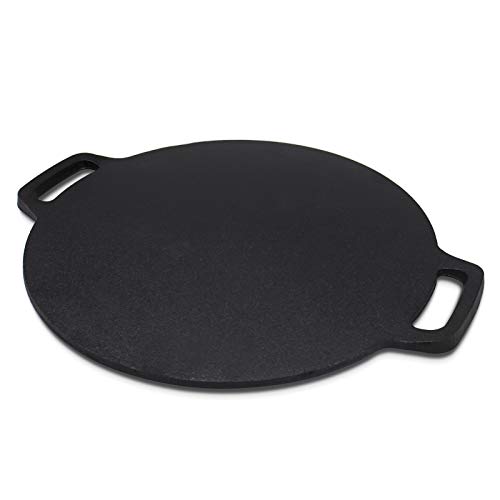
Double handled cast iron crepe pan, cast iron tawa. Great for making roti, chappati, dosa, tortillas, etc.

Item Package Contents: Non Stick Dosa Pan/Tawa

Non-Toxic Granite Coating: ESLITE LIFE nonstick crepe pan free of PTFE & PFOA, lead, cadmium and other toxic materials that can leach into your food, making them safe for you, your family and the environment
2. Dosa – The Crispy Rice and Lentil Crepe
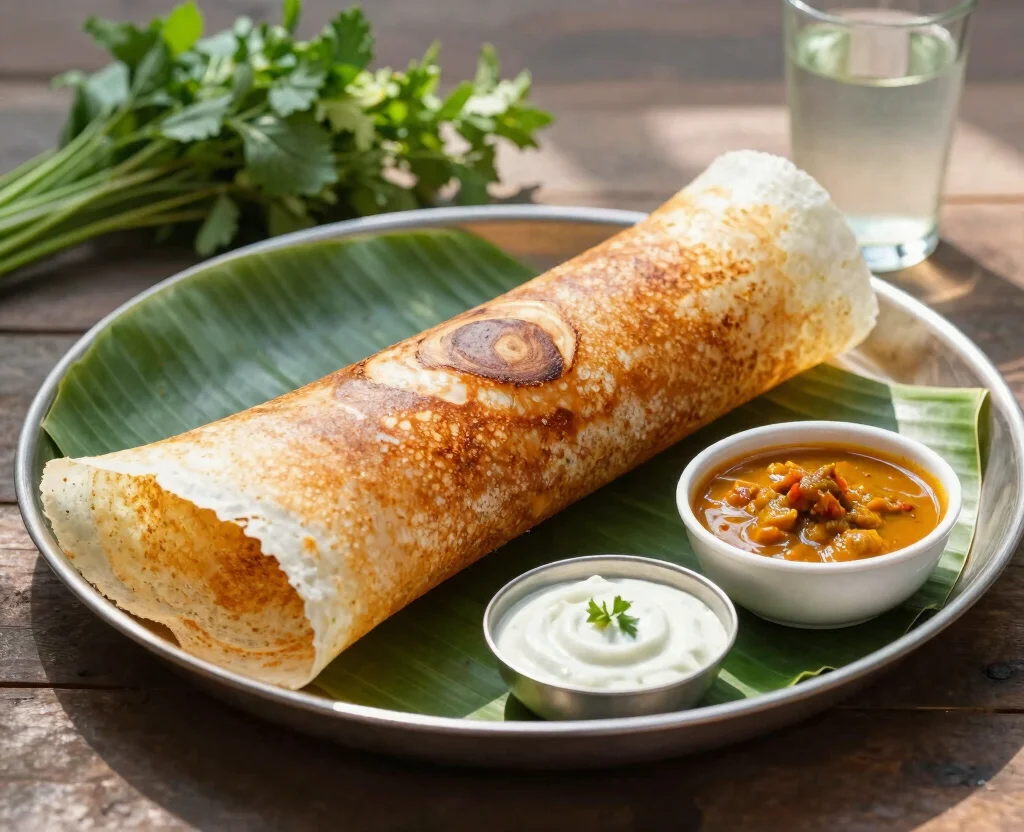
Are you in the mood for something crispy and delicious? Dosas are a fantastic choice that combines taste and versatility. This fermented batter of rice and urad dal yields thin, crispy crepes that are perfect for a light meal. Enjoy them plain or filled with spiced potatoes or paneer, and pair them with chutney and sambar for a delightful breakfast experience.
Ingredients:
– 1 cup of dosa rice
– 1/3 cup urad dal
– Salt to taste
– Water for the batter
– Oil for cooking
Instructions:
1. Rinse the dosa rice and urad dal separately, soaking for 4 to 8 hours.
2. Drain and blend with water until you have a smooth batter.
3. Allow the batter to ferment overnight in a warm environment.
4. After fermentation, mix in salt.
5. Heat a non-stick pan, pour a ladleful of batter, and spread it thinly.
6. Drizzle oil around the edges and cook until golden brown.
7. Flip and cook for another minute before serving hot with chutney.
FAQs:
– Can dosa batter be refrigerated? Yes, it can be stored in the fridge for up to a week.
– Why is my dosa not crispy? Ensure your pan is hot enough and avoid making the batter too thick.
Recommended Products
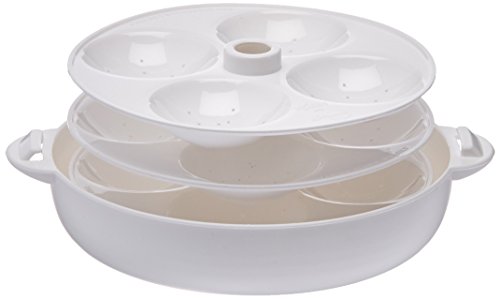
New high quality microwave Idli / Dhokla Cooker and steamer. Lightweight and a great buy for a modern kitchen

Made for Banh Beo Recipes Designed around the traditional shape used for Vietnamese steamed rice cakes, this 15-hole banh beo mold helps create small, even portions that look more like the classic style many home cooks want.

5 Inches in diameter & 1/2 inch in height
🥗 Ultimate Recipe Collection Awaits!
Unlock thousands of healthy and delicious recipes that support your weight loss journey today!
3. Upma – Savory Semolina Porridge
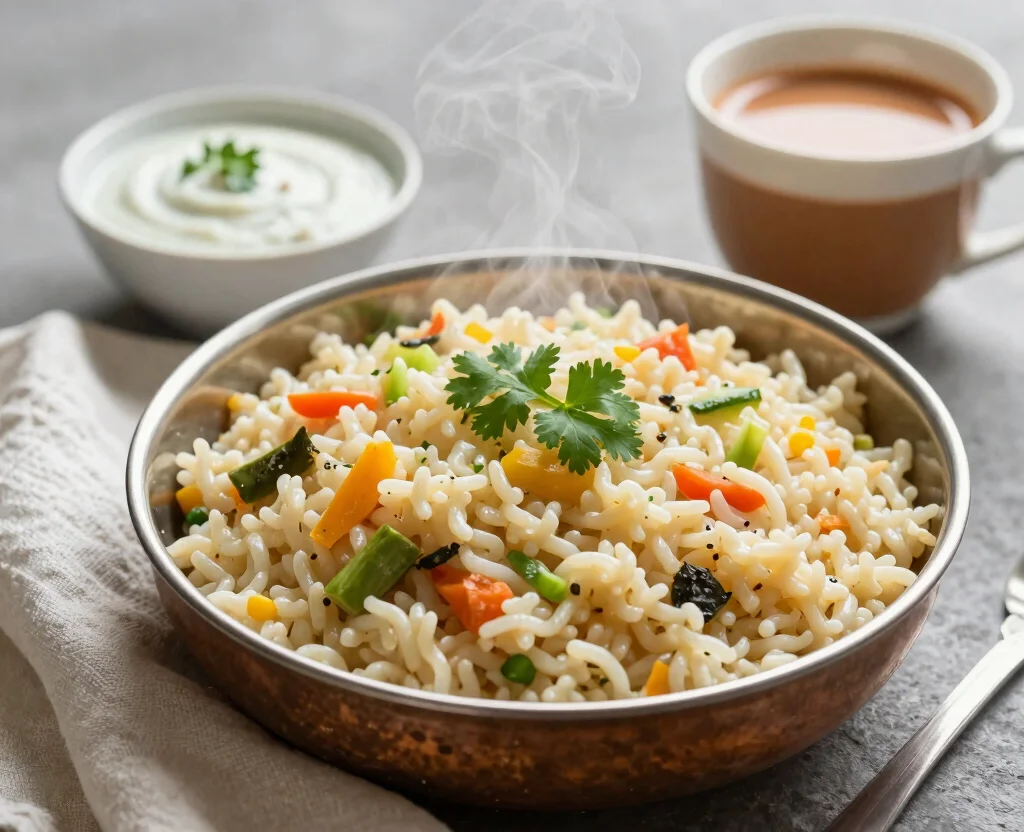
Looking for a comforting and savory breakfast? Upma is a delightful dish made from semolina, providing warmth and satisfying textures. It’s not just filling but also offers a wealth of nutrients, making it an ideal choice for a healthy morning meal. Enhance it with a mix of your favorite vegetables for added nutrition and flavor, spiced with mustard seeds and curry leaves for a delicious start to your day.
Ingredients:
– 1 cup semolina
– 2 cups water
– 1 onion, chopped
– 1 green chili, chopped
– 1/2 cup mixed vegetables (peas, carrots, etc.)
– 1 tsp mustard seeds
– 1 tsp cumin seeds
– 2 tbsp oil
– Salt to taste
Instructions:
1. Heat oil in a pan, adding mustard seeds until they splutter.
2. Add cumin seeds, chopped onion, and green chili; sauté until onions are translucent.
3. Stir in mixed vegetables and cook for a couple of minutes.
4. Add water and salt, bringing it to a boil.
5. Gradually stir in the semolina, lowering heat, and cook until it absorbs the water.
6. Fluff upma with a fork and serve hot with coconut chutney.
FAQs:
– Can I prepare upma in advance? Yes, it can be stored in the fridge and reheated.
– What can I substitute for semolina? Oats or broken wheat can be delicious alternatives.
Recommended Products

AUTHENTIC INDIAN SPICE BLEND: Enjoy the rich and tangy taste of MTR Sambar Ready Mix, a classic Indian spice mix crafted with ingredients like Red gram, turmeric, red chilli, fenugreek & asafoetida. This spice blend captures the essence of South Indian flavors, making it ideal for preparing flavorful sambar rice.

MTR Sambar Masala Powder 100g

4. Sambar – The Soulful Lentil Stew
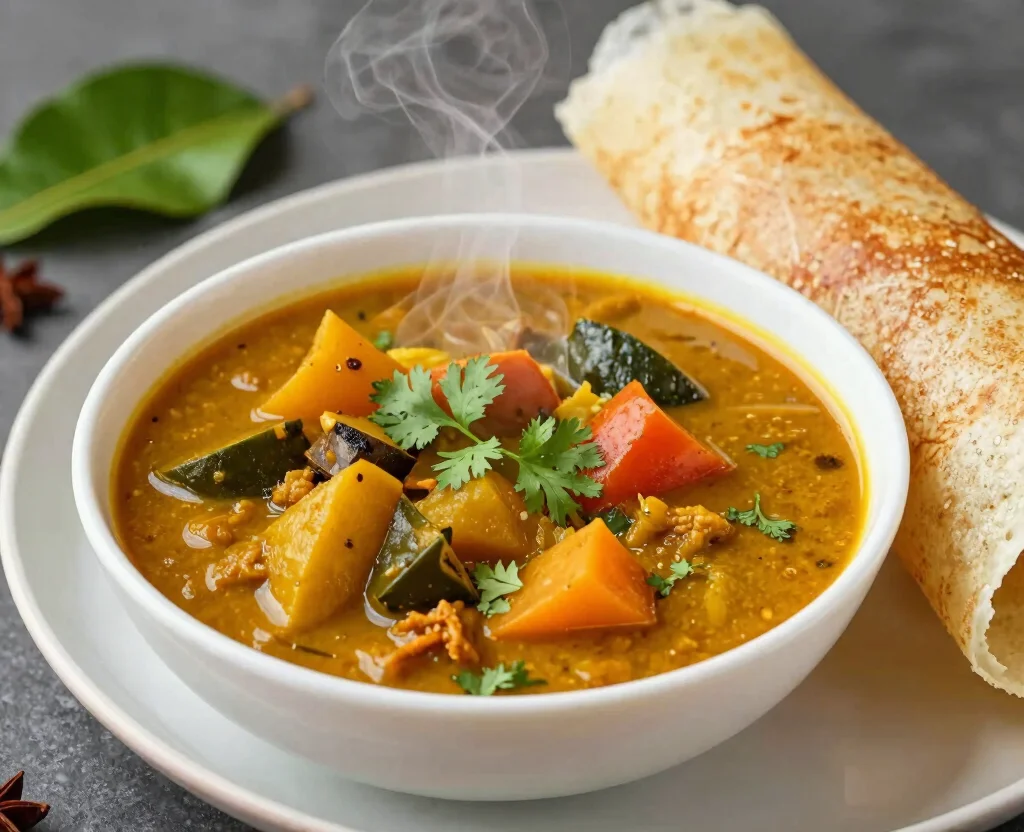
Craving a hearty and nutritious dish? Sambar is the perfect accompaniment to elevate your breakfast. This lentil-based stew combines a variety of vegetables and spices, delivering a wholesome punch. Rich in protein and fiber, sambar is filling and supports your health goals, often served with idlis, dosas, or rice for a versatile meal.
Ingredients:
– 1/2 cup toor dal (pigeon peas)
– 1 cup mixed vegetables (carrots, beans, potatoes)
– 2 tbsp sambar powder
– 1 tomato, chopped
– 1 onion, chopped
– 1 tbsp tamarind pulp
– Salt to taste
– 1 tsp mustard seeds
– Curry leaves for tempering
– 2 tbsp oil
Instructions:
1. Cook the toor dal in a pressure cooker until soft.
2. In a pot, heat oil and add mustard seeds and curry leaves.
3. Add chopped onions and sauté until golden.
4. Stir in tomatoes, vegetables, sambar powder, tamarind pulp, and salt; cook until vegetables are soft.
5. Add the cooked dal and water for desired consistency, simmering for 10 minutes.
6. Serve hot with idlis or dosas.
FAQs:
– Can I freeze sambar? Yes, it freezes well and can be reheated without losing flavor.
– What if I don’t have sambar powder? A mix of turmeric, chili powder, and coriander powder can work as a substitute.
Recommended Products

Prepare soft, fluffy idlis and light, crispy dosas using fresh, wholesome ingredients with ease. Powered by a high-performance motor, this wet grinder features a durable stainless steel drum and food-grade plastic components, all housed in a sleek, space-saving design ideal for modern kitchens.

Enjoy light and airy Dosa and Idly made from fresh, nutritious ingredients. Natural granite roller stones and innovative gear design

One year warranty on the grinder.Five years warranty on the motor.The machine comes with factory installed 110V motors. .Please note the warranty will not cover for chocolate or nut butter refining.
5. Coconut Chutney – The Perfect Accompaniment
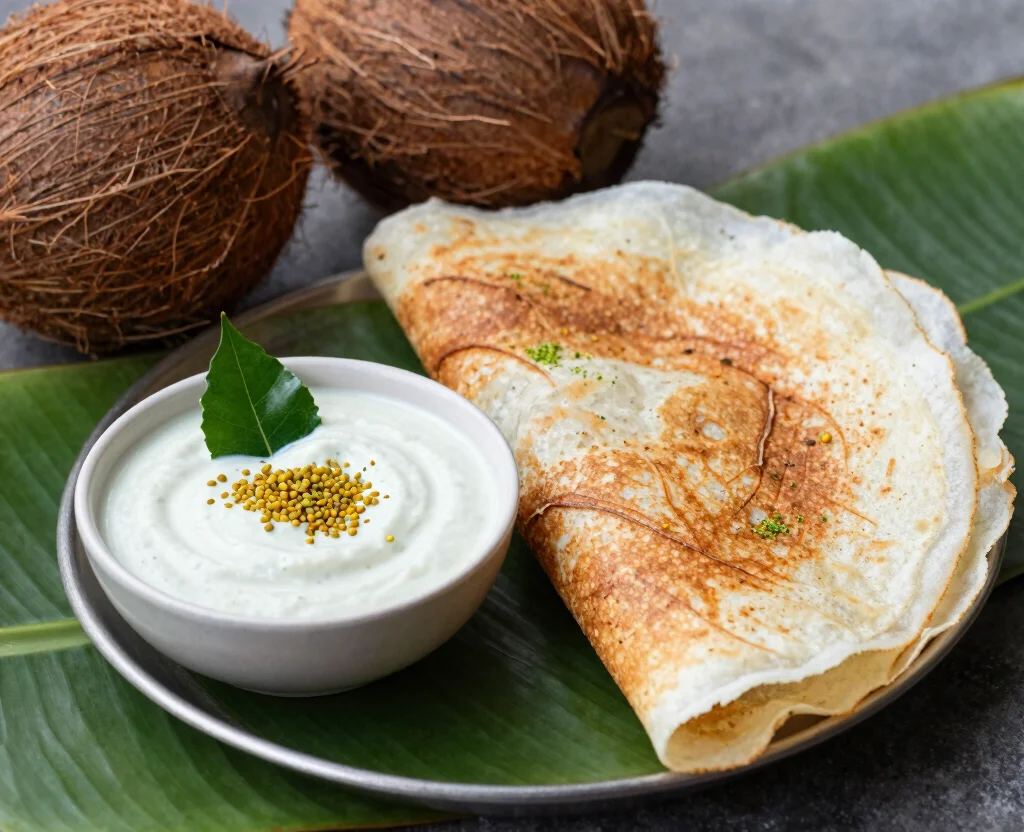
Do you want to enhance the flavors of your breakfast? Coconut chutney is a delightful companion for many South Indian dishes. This creamy, nutty dip made from fresh coconut and tempered spices balances perfectly with spicy foods, adding a refreshing touch. Low in calories and rich in healthy fats, it’s quick to whip up and makes every bite of your meal even more enjoyable.
Ingredients:
– 1 cup grated coconut
– 1-2 green chilies (to taste)
– 1/2 inch ginger
– Salt to taste
– 1 tbsp lemon juice
– 1 tsp mustard seeds for tempering
– Curry leaves for garnish
Instructions:
1. In a blender, combine grated coconut, green chilies, ginger, and salt; blend until smooth.
2. Add lemon juice and mix well.
3. In a small pan, heat oil and add mustard seeds; let them splutter.
4. Pour the tempered mixture over the chutney and mix again.
5. Serve fresh as a dip with your breakfast dishes.
FAQs:
– How long does coconut chutney last? It’s best consumed fresh but can be kept in the fridge for 2-3 days.
– Can I use dried coconut? Fresh coconut is best, but dried can work in a pinch.
Recommended Products

1.25L WET GRINDER - Ideal for a family of 4

A proven workhorse with years of top, trouble free performance.

DIGITAL TIMER - Beep alert & auto switch-off at preset grinding time
6. Rawa Dosa – The Instant Semolina Crepe
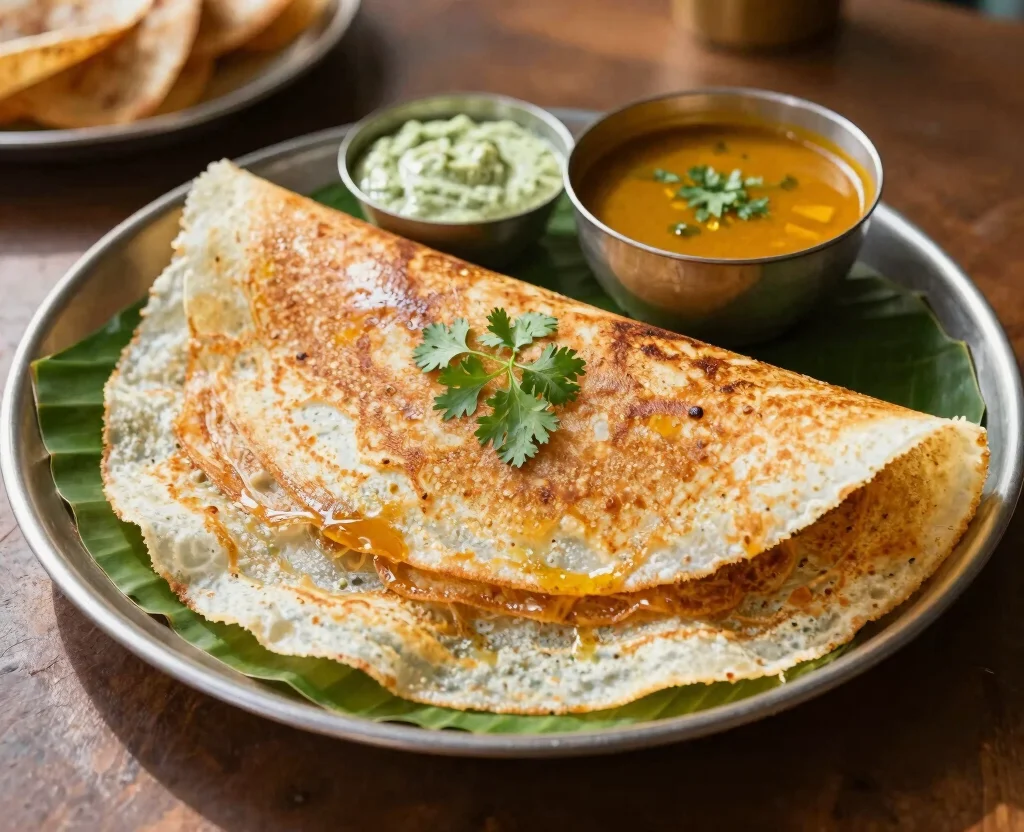
Need a quick and delicious breakfast option? Rawa dosa is your answer! Made from semolina, this easy and crispy crepe is perfect for those busy mornings. Gluten-free and full of flavor, it can be prepared in a matter of minutes, offering a satisfying crunch alongside your favorite sambar and chutney for a delightful breakfast experience.
Ingredients:
– 1 cup semolina
– 1/4 cup rice flour
– 1/2 tsp cumin seeds
– 1/4 cup chopped onions
– 1-2 green chilies, chopped
– Salt to taste
– Water as needed
– Oil for cooking
Instructions:
1. In a bowl, mix semolina, rice flour, cumin seeds, onions, green chilies, and salt.
2. Add enough water to create a thin batter.
3. Heat a non-stick pan and pour a ladle of batter, spreading it into a thin circle.
4. Drizzle oil around the edges and cook until crisp and golden.
5. Flip and cook for another minute, then serve hot with chutney and sambar.
FAQs:
– Can I make the batter ahead of time? It’s best to use fresh batter for crispness but can be stored for a short time.
– What can I serve with rawa dosa? It pairs beautifully with coconut chutney and sambar.
Recommended Products
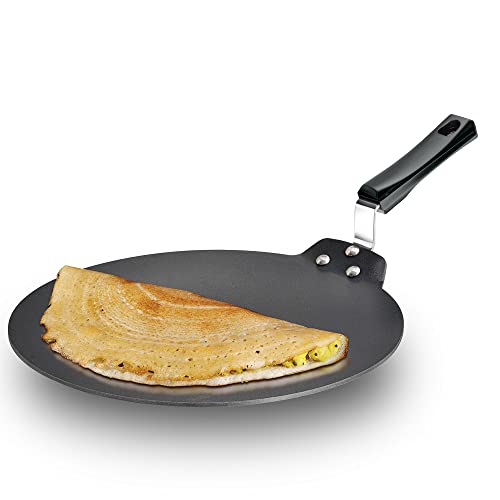
Material: PFOA Free Non-stick coating locked into tough Hard Anodised Aluminium - lasts longer
Non-Toxic Granite Coating: ESLITE LIFE nonstick crepe pan free of PTFE & PFOA, lead, cadmium and other toxic materials that can leach into your food, making them safe for you, your family and the environment
Double handled cast iron crepe pan, cast iron tawa. Great for making roti, chappati, dosa, tortillas, etc.
7. Pongal – Comforting Rice and Lentil Dish
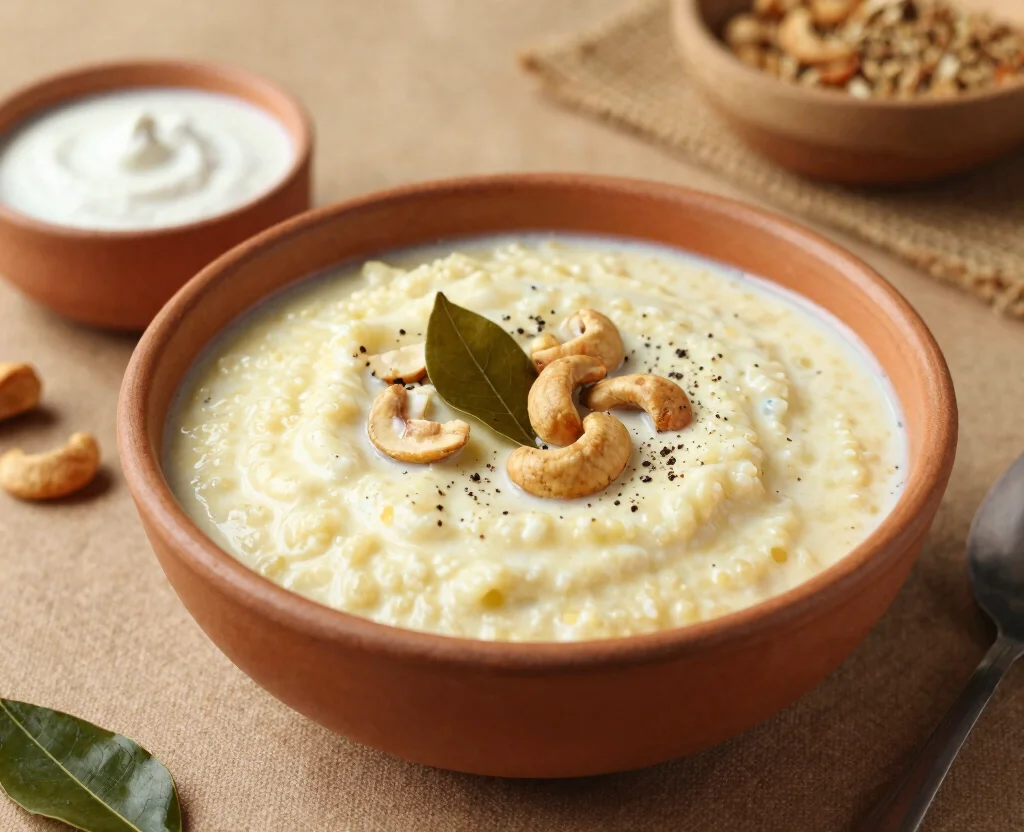
Looking for a warm and hearty breakfast? Pongal is a comforting dish made from rice and moong dal, seasoned with spices and garnished with cashews and curry leaves. This dish is easy to digest and provides a balanced meal, making it perfect for a light yet filling breakfast. Enjoy it with coconut chutney or sambar for a satisfying start to your day.
Ingredients:
– 1 cup rice
– 1/2 cup moong dal
– 1 tsp black pepper
– 1 tsp cumin seeds
– 2 tbsp ghee (or oil for a healthier version)
– Salt to taste
– 10 cashews
– Curry leaves for tempering
Instructions:
1. Rinse rice and moong dal together, then soak for 30 minutes.
2. Pressure cook the soaked mixture with water until soft.
3. In a pan, heat ghee, add cumin seeds, black pepper, cashews, and curry leaves; sauté until fragrant.
4. Stir in the cooked rice and dal mixture, adding salt as needed.
5. Cook for 5 minutes on low heat, stirring gently.
6. Serve hot with chutney.
FAQs:
– Is pongal good for weight loss? Yes, it’s nutritious and keeps you full longer.
– Can I add vegetables? Absolutely! You can add peas or carrots for extra nutrition.
Fun fact: Pongal packs a gentle protein boost from moong dal and easy digestion, making it a trusted staple in South Indian Breakfast Recipes. A bowl supports steady energy for weight-loss goals, especially when enjoyed with coconut chutney or sambar.
Recommended Products

3 Premium Stainless Steel Plates With Stand, Diameter - 16 cm, Big Size Plates. Multipurpose Plates - Use for Dhokla, Thatte idli and Regular Idli

Steam your idlis or dhoklas in this stainless steel multi pot.

Strong and sturdy
8. Kesari – Sweet Semolina Dessert
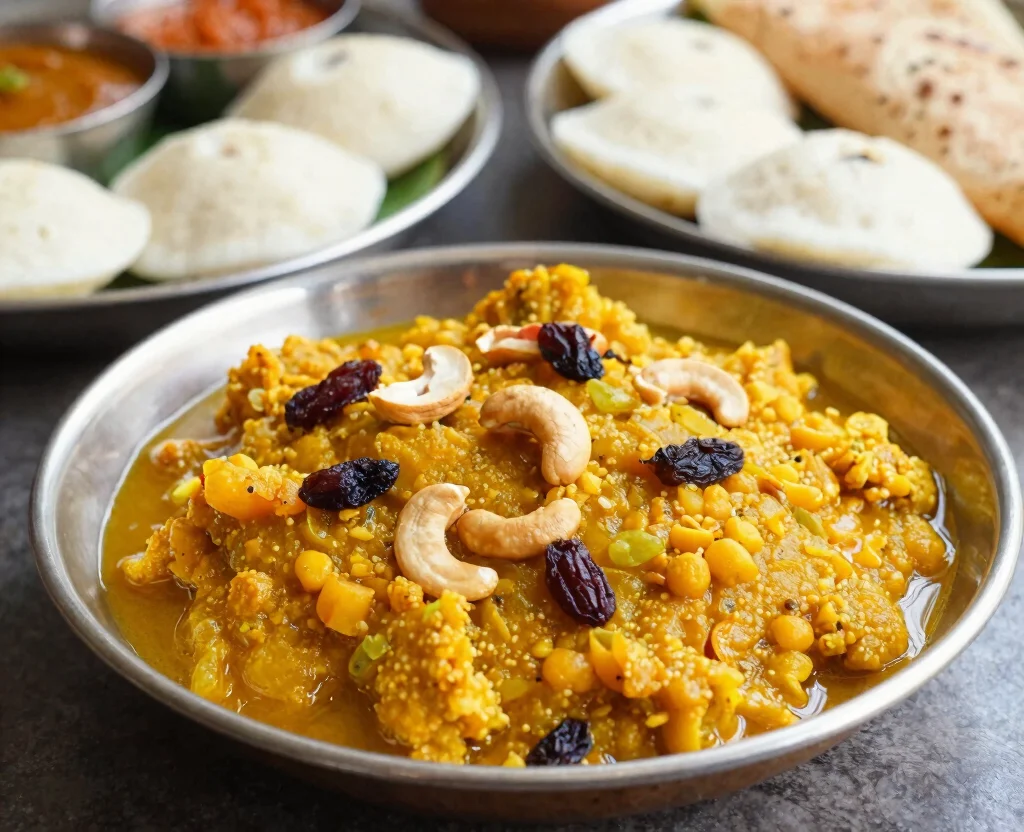
Want to indulge in something sweet for breakfast? Kesari is a delightful South Indian dessert made from semolina, sugar, and ghee, brightened with saffron and garnished with nuts. While it has a sweet flavor, it can be made healthier with less ghee and sugar. Kesari is rich in carbohydrates, providing a quick energy boost and can be easily customized with your favorite nuts or dried fruits.
Ingredients:
– 1 cup semolina
– 1 cup sugar
– 2 cups water
– 1/4 cup ghee
– A pinch of saffron
– 10 cashews, chopped
– 10 raisins
Instructions:
1. In a pan, heat ghee and roast the semolina until light golden.
2. In another pot, boil water with saffron and sugar until dissolved.
3. Gradually pour the hot sugar water into the roasted semolina, stirring continuously to avoid lumps.
4. Cook until the mixture thickens and leaves the sides of the pan.
5. Add cashews and raisins, mix well, and serve warm.
FAQs:
– Can I make kesari ahead of time? Yes, it stores well in an airtight container.
– What can I substitute for sugar? You can use jaggery or a sweetener of your choice.
Recommended Products

Lentil and Spice Blend: A traditional South Indian condiment made from roasted lentils combined with aromatic spices

9. Pesarattu – Green Gram Dosa
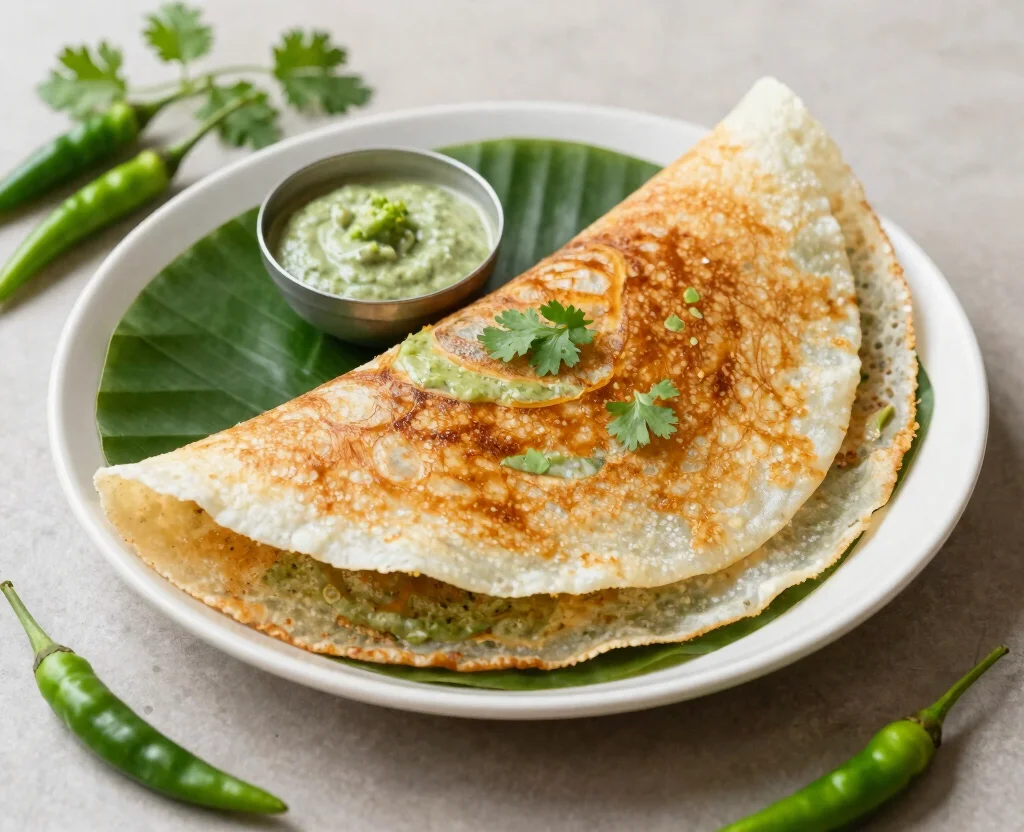
Searching for a nutritious and unique breakfast option? Pesarattu is a dosa made from whole green gram, making it packed with protein and nutrients. This gluten-free dosa is crispy on the outside and soft on the inside, offering a delightful contrast of textures. Serve it with ginger chutney or coconut chutney for a refreshing twist, or fill it with spiced potatoes for a hearty meal.
Ingredients:
– 1 cup whole green gram
– 1/4 cup rice flour
– 1 green chili
– Salt to taste
– Water as needed
– Oil for cooking
Instructions:
1. Soak whole green gram overnight.
2. Drain and blend with green chili and salt, adding water to create a smooth batter.
3. Heat a non-stick pan and pour a ladleful of batter, spreading it thin.
4. Drizzle oil around the edges and cook until crisp.
5. Flip and cook for another minute, then serve hot with chutney.
FAQs:
– Can I make pesarattu in advance? It’s best enjoyed fresh but can be stored in the refrigerator for a short time.
– What can I fill it with? Spiced potatoes or mixed vegetables work well as a filling.
Starting the day with pesarattu makes healthy breakfasts feel effortless. Crispy on the outside, soft inside, it keeps you full longer without heavy grains. South Indian Breakfast Recipes like this prove weight loss can be tasty and achievable.
Recommended Products

The smart design of the Premier Tabletop EasyGrind (2 L) allows for easy assembly and disassembly, while its small footprint allows it to take up little counter space, brightening up even the smallest kitchens.

The size will be approximately 15” x 5” x 5.5” which is compact and suitable for people who are 5.3 feet tall or less and 176 pounds or less.
10. Appam – The Soft Rice Pancake
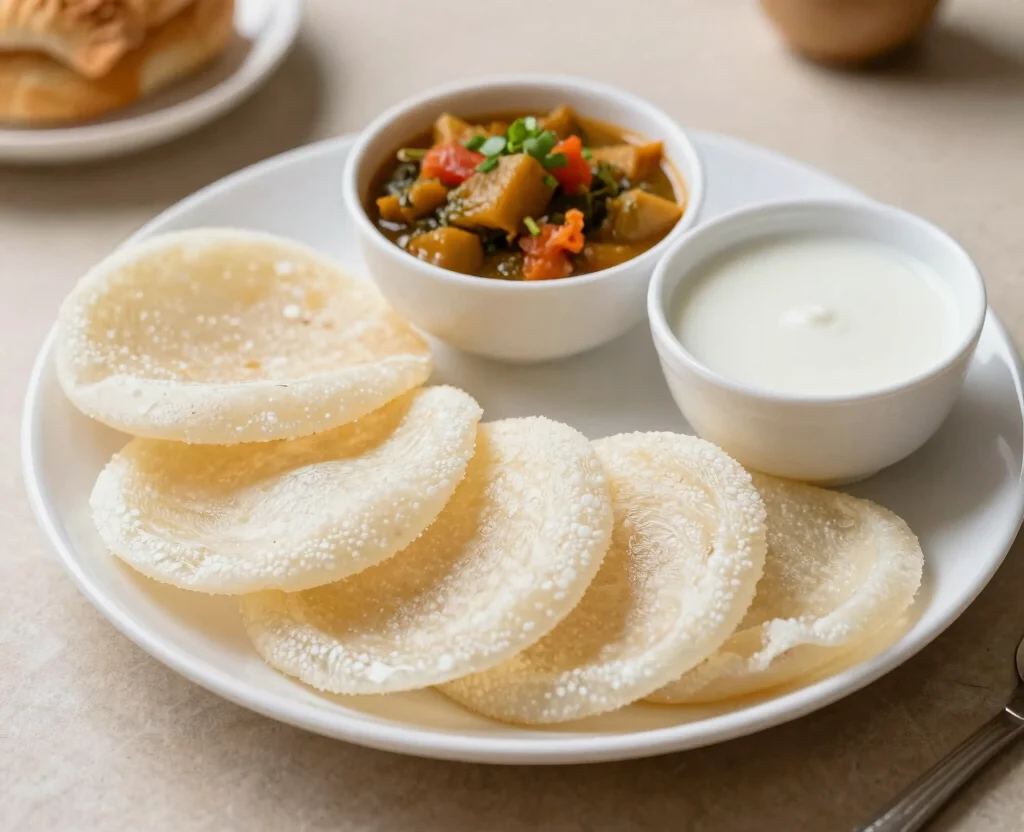
In the mood for something soft and fluffy? Appam is a delightful rice pancake from Kerala, made with fermented rice batter and coconut milk. Gluten-free and versatile, appams can be enjoyed with sweet or savory fillings, making them a favorite choice for breakfast. When paired with vegetable stew or sweetened coconut milk, appams become a wholesome meal that satisfies.
Ingredients:
– 1 cup rice
– 1/4 cup grated coconut
– 1/2 tsp yeast
– Salt to taste
– Water as needed
– Oil for cooking
Instructions:
1. Rinse and soak the rice for 4 hours, then drain and blend with coconut and enough water to make a smooth batter.
2. Add yeast and salt, then let the batter ferment overnight.
3. Heat an appam pan, pour a ladleful of batter, and swirl to spread into a thin layer.
4. Cover and cook until the edges are crispy and the center is soft.
5. Serve hot with coconut milk or vegetable stew.
FAQs:
– Can I make appam without yeast? Yes, baking soda can be used as a substitute.
– How can I store leftover appams? Keep them in an airtight container in the fridge for up to 2 days.
11. Puttu – Steamed Rice Cake with Coconut
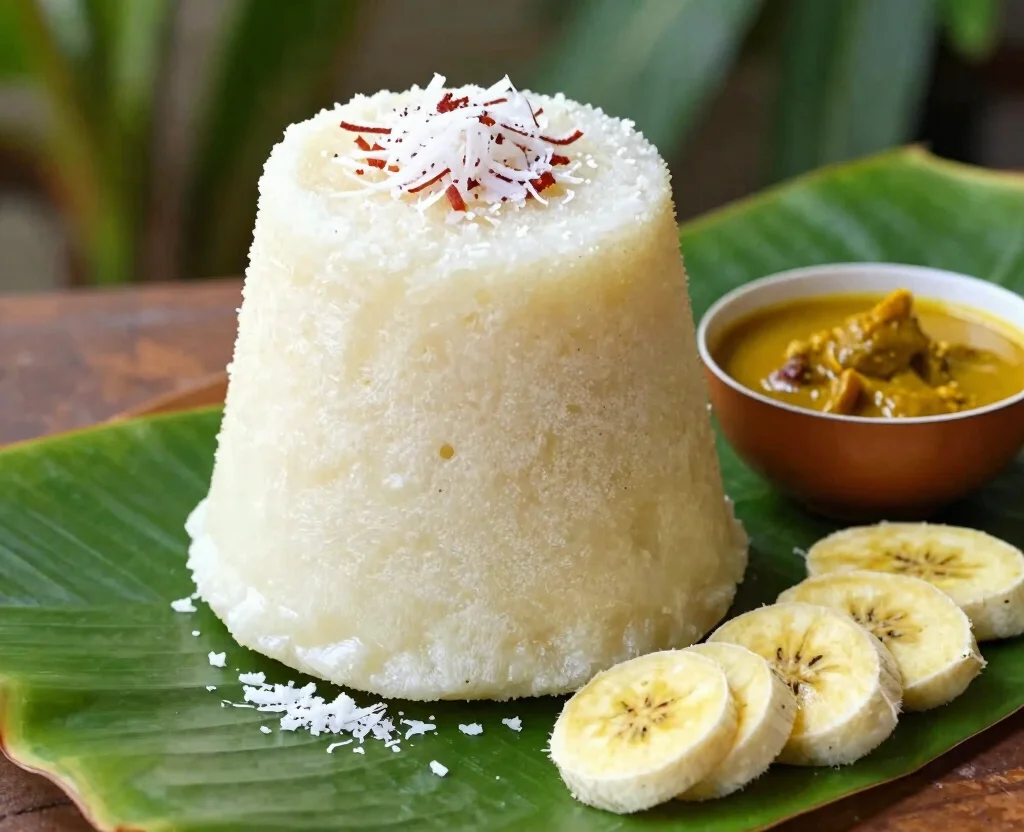
Want to try something unique and healthy? Puttu is a popular Kerala breakfast made from rice flour and grated coconut, steamed in cylindrical molds for a soft and fluffy texture. Light yet satisfying, it’s often paired with banana or sugar, enhancing its flavor without adding excessive calories. This deliciously steamed dish is also versatile enough to be enjoyed with curry for a heartier meal.
Ingredients:
– 2 cups rice flour
– 1 cup grated coconut
– Salt to taste
– Water as needed
Instructions:
1. Mix rice flour and salt in a bowl, gradually adding water to achieve a smooth, crumbly texture.
2. Layer the rice flour mixture and grated coconut in puttu molds.
3. Steam for about 15-20 minutes until cooked through.
4. Serve hot with banana or curry.
FAQs:
– Can I make puttu with other grains? Yes, you can use ragi flour or other flours for variations.
– What’s the best way to serve puttu? It pairs well with sugar, banana, or savory curries.
12. Vada – The Crispy Lentil Fritter
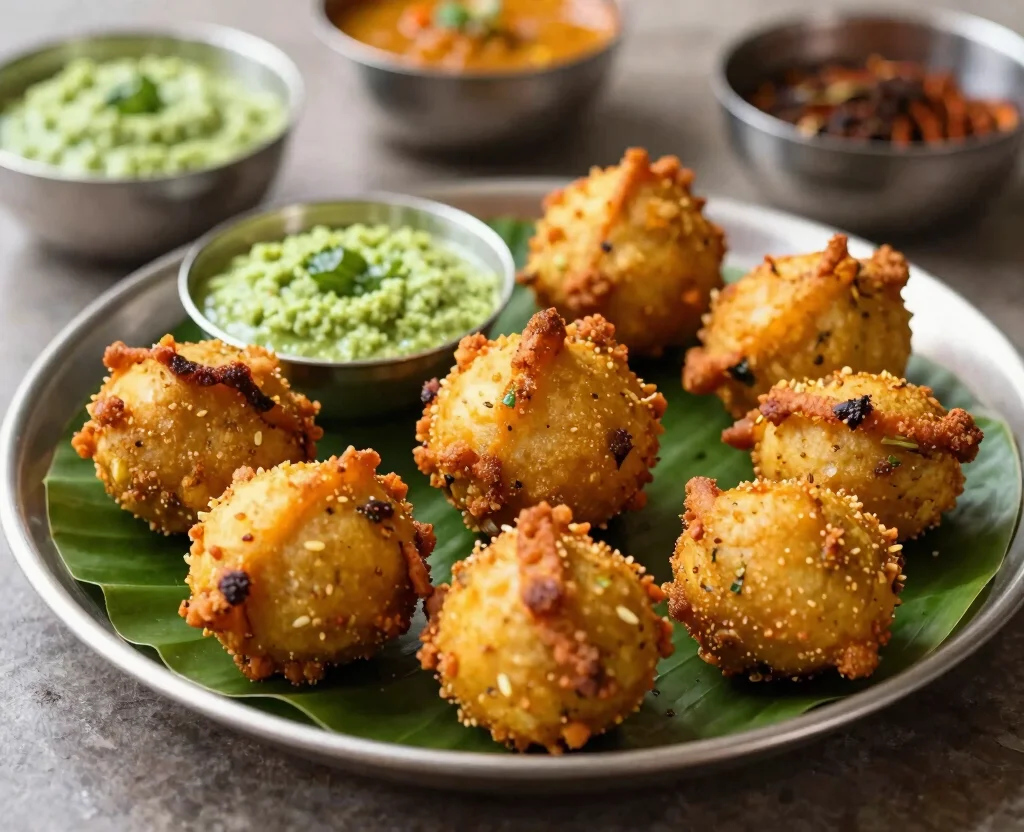
Craving a crunchy snack for breakfast? Vada is a beloved South Indian dish that adds deliciousness to your morning. These crispy fritters made from lentils are typically deep-fried, offering a satisfying crunch and savory flavor. For a healthier twist, bake or air-fry them instead. Packed with protein, vadas are filling enough to keep you satisfied until lunch, making them a great choice for a balanced diet.
Ingredients:
– 1 cup urad dal
– 1 onion, chopped
– 2 green chilies, chopped
– Salt to taste
– Oil for frying
Instructions:
1. Soak urad dal for at least 4 hours, then drain and blend to a coarse paste.
2. Mix in chopped onion, green chilies, and salt.
3. Heat oil in a pan for frying.
4. Shape small portions of the mixture into round fritters and fry until golden brown.
5. Serve hot with chutney and sambar.
FAQs:
– Can I make vadas in advance? They are best enjoyed fresh but can be reheated.
– What can I serve with vadas? They pair well with coconut chutney and sambar.
13. Bisi Bele Bath – Spicy Lentil Rice
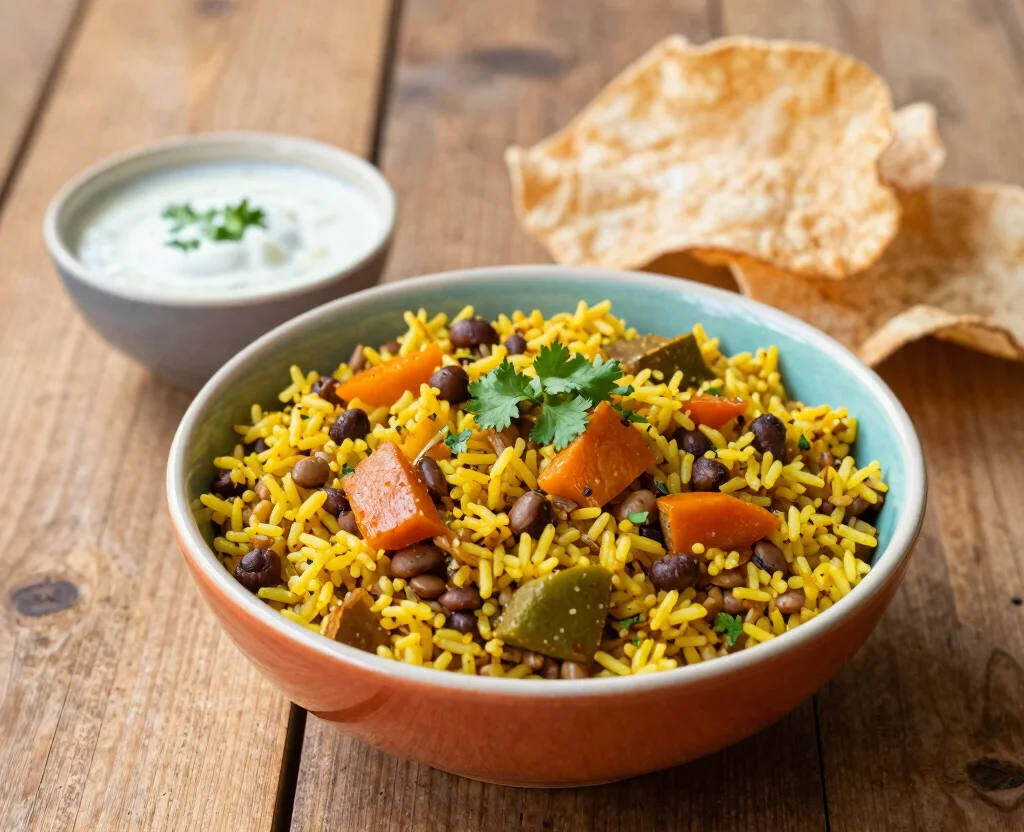
Looking for a filling one-pot meal? Bisi Bele Bath combines rice, lentils, and a variety of vegetables seasoned with a unique blend of spices, making it a wholesome choice for breakfast. This comforting dish is often enjoyed with raita or papad, offering warmth and nourishment that keeps you energized throughout the day.
Ingredients:
– 1 cup rice
– 1/2 cup toor dal
– 2 cups mixed vegetables (carrots, peas, beans)
– 2 tbsp bisi bele bath powder
– Salt to taste
– 3 cups water
– 1 tbsp ghee or oil
Instructions:
1. Rinse rice and toor dal; soak for 30 minutes.
2. In a pressure cooker, cook the soaked rice and dal with vegetables and water until soft.
3. Add bisi bele bath powder and salt, simmering for 10 minutes.
4. Serve hot with raita or papad.
FAQs:
– Can Bisi Bele Bath be made in advance? Yes, it can be reheated and still tastes great.
– What can I use instead of toor dal? Moong dal or masoor dal can be good alternatives.
14. Kharra – Spiced Rice and Lentil Dish
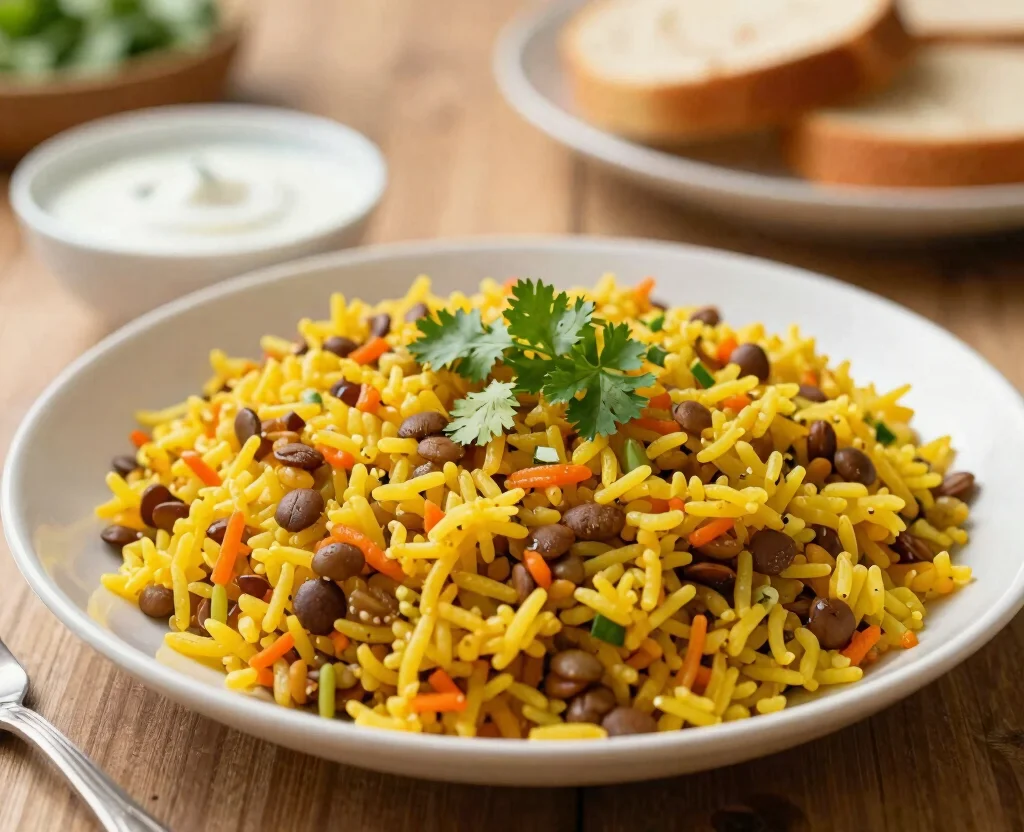
Want to try something new for breakfast? Kharra is a lesser-known but delightful dish made from a blend of rice and lentils, spiced to perfection. Quick and easy to prepare, Kharra is often made with leftover rice, making it a practical choice for a satisfying morning meal. Packed with protein and fiber, it keeps you full and energized while offering a flavorful start to your day.
Ingredients:
– 1 cup cooked rice
– 1/2 cup cooked moong dal
– 1 onion, chopped
– 1 tsp mustard seeds
– 1 tsp turmeric powder
– Salt to taste
– 2 tbsp oil
– Fresh coriander for garnish
Instructions:
1. Heat oil in a pan and add mustard seeds; let them splutter.
2. Add chopped onions and sauté until golden.
3. Stir in turmeric powder, cooked rice, and moong dal, mixing well.
4. Cook for 5 minutes on low heat, stirring occasionally.
5. Garnish with fresh coriander and serve hot with yogurt.
FAQs:
– Is Kharra suitable for vegetarians? Yes, it’s entirely vegetarian-friendly.
– Can I add vegetables to Kharra? Absolutely! Chopped carrots or peas can enhance the dish.
15. Kootu – The Vegetable and Lentil Stew
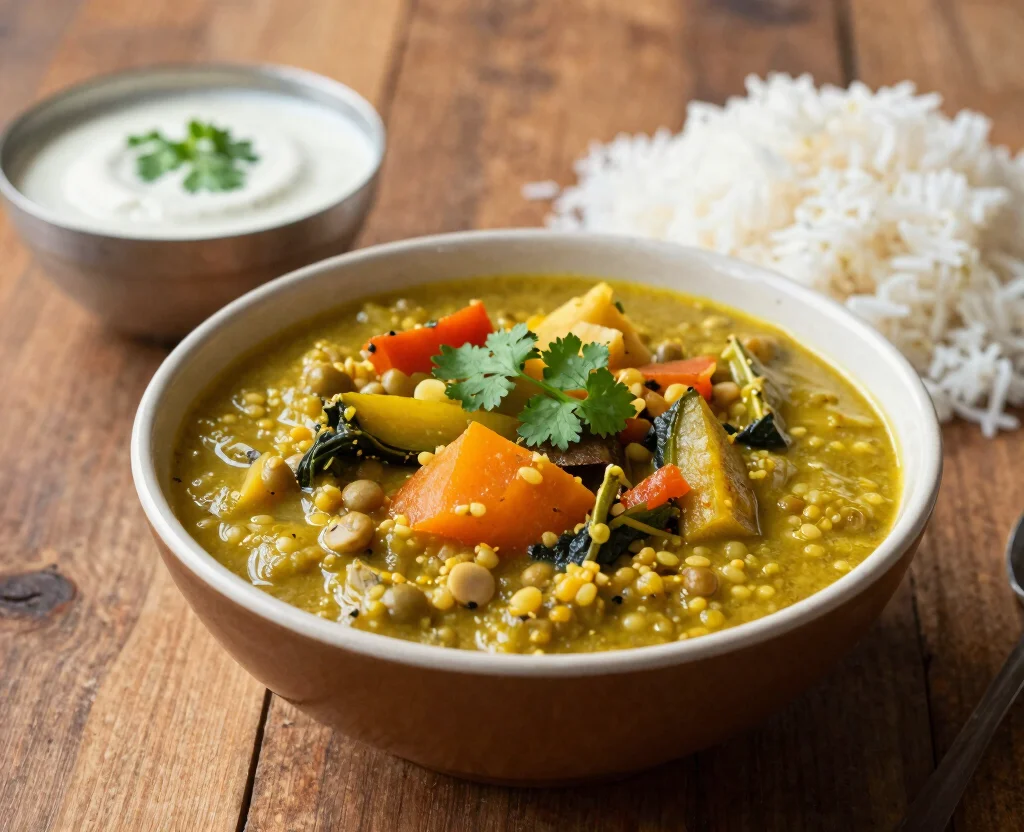
Craving a nutritious and hearty dish? Kootu combines vegetables and lentils, cooked together with spices to create a delicious stew. Packed with flavors and proteins, it’s an excellent choice for breakfast, offering a filling meal that’s lower in calories. You can customize Kootu based on seasonal vegetables, making it versatile and healthy for any time of the year.
Ingredients:
– 1 cup mixed vegetables (pumpkin, beans, carrots)
– 1/2 cup moong dal
– 1 onion, chopped
– 1 tsp cumin seeds
– Salt to taste
– 2 tbsp oil
Instructions:
1. Cook moong dal in water until soft.
2. In a pan, heat oil and add cumin seeds; let them splutter.
3. Stir in onions and sauté until translucent.
4. Add mixed vegetables, cooked moong dal, and salt; simmer for 10-15 minutes.
5. Serve hot as a side or main dish.
FAQs:
– Can I make Kootu in advance? Yes, it can be stored in the fridge for a few days.
– What can I substitute for moong dal? You can use toor dal or chickpeas for different flavors.
16. Green Smoothie Bowl – A Modern Twist
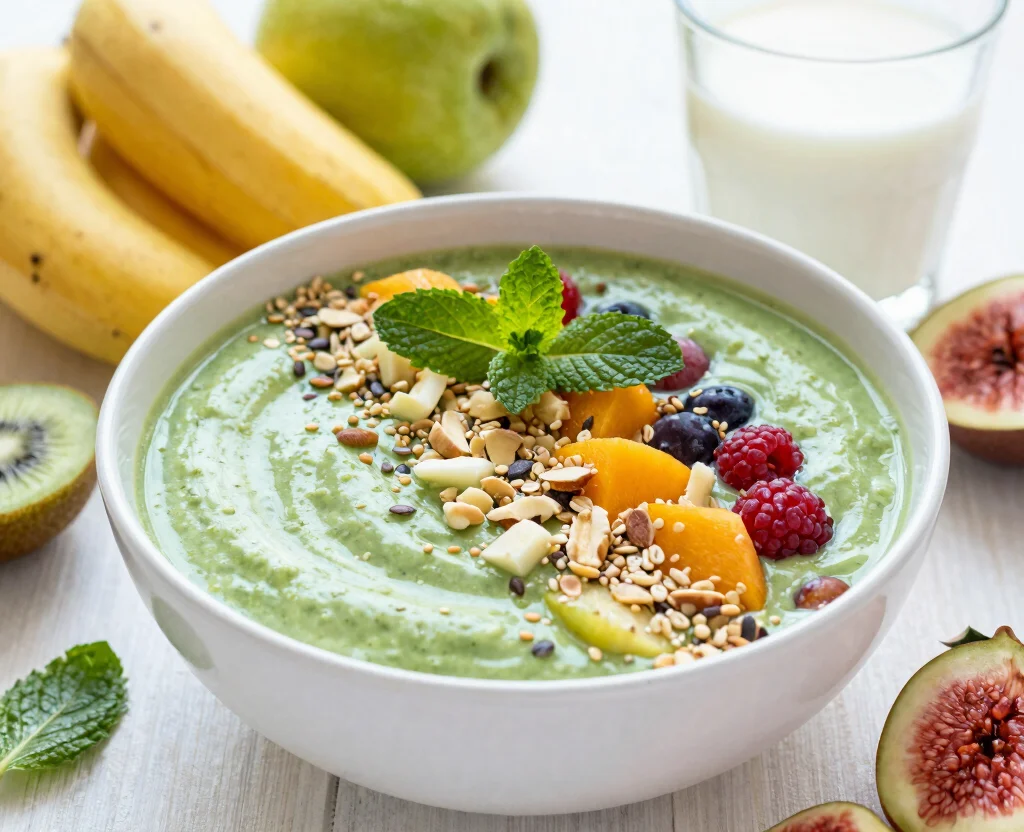
Want a refreshing and nutritious start to your day? A green smoothie bowl is a perfect choice, packed with spinach, fruits, and yogurt. Vibrant and full of flavor, this dish is highly customizable, allowing you to mix and match ingredients to suit your taste. Quick to prepare, topped with nuts and seeds, it offers a fulfilling low-calorie breakfast that honors the essence of South Indian flavors in a modern way.
Ingredients:
– 1 cup spinach
– 1 banana
– 1/2 cup yogurt
– 1/2 cup almond milk
– Toppings: nuts, seeds, and fruits of choice
Instructions:
1. In a blender, combine spinach, banana, yogurt, and almond milk; blend until smooth.
2. Pour into bowls and top with nuts, seeds, and fresh fruits.
3. Serve immediately and enjoy a refreshing start to your day.
FAQs:
– Can I make this smoothie ahead of time? It’s best enjoyed fresh but can be prepared a few hours in advance.
– What other greens can I use? Kale or Swiss chard are great alternatives.
Switching up your morning with a Green Smoothie Bowl is a practical win for South Indian Breakfast Recipes. You get spinach, yogurt, and fruit in a vibrant, customizable bowl that fuels weight loss without sacrificing flavor.
17. Dhokla – Steamed Savory Cake
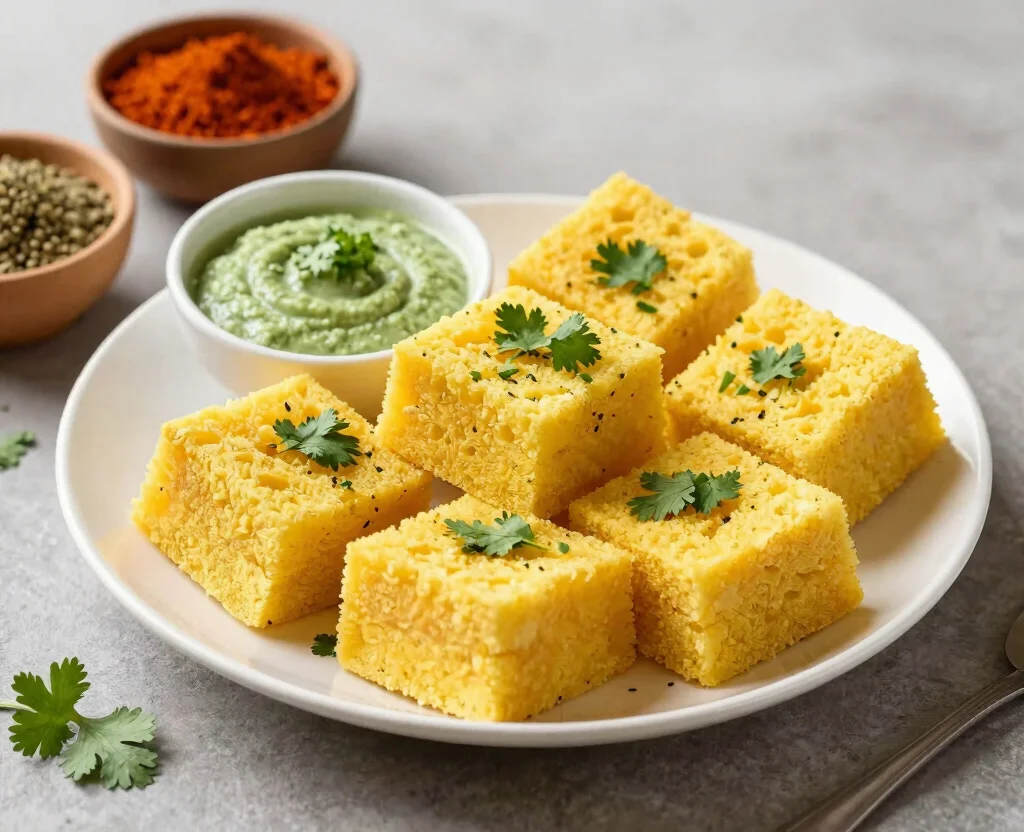
Looking for a light and fluffy breakfast treat? Dhokla is a steamed savory cake made from fermented chickpea flour, perfect for any breakfast spread. This dish is not only delicious but also low in calories and high in protein, making it ideal for weight-conscious individuals. Serve Dhokla with green chutney or tamarind sauce for a tangy flavor that will delight your taste buds.
Ingredients:
– 1 cup gram flour (besan)
– 1/2 cup yogurt
– 1 tsp ginger paste
– 1 tsp green chili paste
– 1 tsp ENO fruit salt
– Salt to taste
– Oil for greasing
Instructions:
1. In a bowl, mix gram flour, yogurt, ginger paste, green chili paste, and salt to form a smooth batter.
2. Add ENO fruit salt and mix well until it fizzes.
3. Pour the batter into a greased steaming tray and steam for 15-20 minutes.
4. Once done, allow it to cool slightly and cut into squares.
5. Serve with green chutney or tamarind sauce.
FAQs:
– Can I make dhokla in advance? Yes, it can be stored and reheated.
– What can I use instead of ENO? Baking soda can be used as a substitute, but the texture may vary.
Conclusion
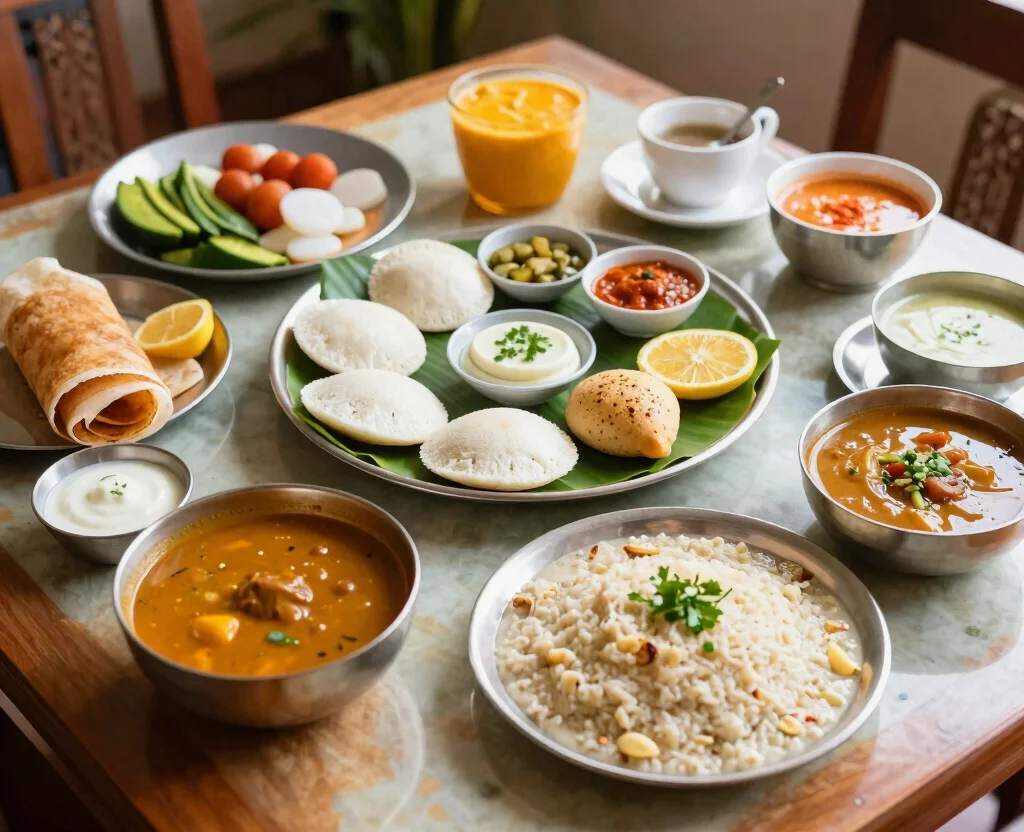
With these 17 classic South Indian breakfast recipes, you now have a plethora of healthy options to fuel your day while keeping your weight in check. Each dish is packed with flavors and nutrients, from the protein-rich idlis to the wholesome pongal.
These recipes not only celebrate the rich culinary heritage of South India but also cater to modern health trends, making them perfect for anyone seeking a balanced meal. Try them out, and share your favorites with friends and family for a delightful breakfast experience!
Note: We aim to provide accurate product links, but some may occasionally expire or become unavailable. If this happens, please search directly on Amazon for the product or a suitable alternative.
This post contains Amazon affiliate links, meaning we may earn a small commission if you purchase through our links, at no extra cost to you.
Frequently Asked Questions
What are the best South Indian Breakfast Recipes for weight loss?
Weight-loss friendly South Indian breakfasts emphasize steaming, whole grains, and veggies. Start with a core dish from the list—like idli recipes or dosa variations—then round it out with a veggie-packed sambar recipes and a small chutney recipes on the side. Keep portions modest (2–4 idlis or 2 medium dosas), use batter built from millet or brown rice with urad dal, and cook with minimal oil. Fermentation improves fullness and gut health, helping you feel satisfied longer. With these tweaks, you can enjoy classic South Indian Breakfast Recipes while staying on track for weight loss.
How can I make idli recipes more weight-loss friendly?
Here are practical tweaks to make idli recipes more weight-loss friendly:
1) swap some rice with millet (ragi or foxtail millet) to boost fiber and reduce calories.
2) add finely grated vegetables (carrot, spinach, beet) to the batter for volume without adding many calories.
3) ferment the batter overnight to improve fullness and gut health.
4) steam-cook and use minimal oil for any accompaniments.
5) pair with a protein-rich sambar recipes and a small portion of chutney, keeping portions in check. A typical serving could be 2–3 idlis with about 1/2 cup sambar. This approach keeps South Indian Breakfast Recipes satisfying and weight-loss friendly.
Are dosa variations good for weight loss, and which ones should I try?
Yes, several dosa variations can be light and filling when prepared with the right batter. Try millet-based dosas (ragi dosa), oats dosa, besan-moong dosa, or mixed‑grain dosas. Cook on a non-stick pan with minimal oil, and fill with protein-rich options like paneer or mashed lentils. Pair with a veggie-packed sambar recipes and a small chutney to keep calories in check. Aim for 1–2 dosas per meal and use generous vegetables in the filling. This approach fits into the South Indian Breakfast Recipes framework for weight loss.
How can I incorporate sambar recipes and chutney recipes into a weight-loss meal?
Make sambar recipes with extra vegetables and a lean lentil base, and cook with as little oil as possible. A tomato-onion base plus carrots, beans, and greens boosts fiber and satiety. For chutney recipes, choose lighter options like tomato or coriander chutneys and keep portions small (1–2 tablespoons). Batch prep chutneys and sambar to save time, then combine with South Indian Breakfast Recipes to create a satisfying, weight-loss friendly meal.
How can I plan a week of healthy breakfasts from these recipes to stay on track for weight loss?
Plan a simple rotating schedule using 4–5 items from the 17 South Indian Breakfast Recipes list: idli recipes, dosa variations, upma recipes, sambar recipes, chutney recipes. Batch-make batters and store in the fridge/freezer; prep veggie-rich sambar in advance; keep portions and protein targets (about 20–30g protein) for each breakfast; pair with yogurt or fruit for balance; track calories and fiber; adjust oil and coconut chutney portions. A weekly plan reduces decision fatigue and supports sustained weight loss.
Related Topics
South Indian breakfast
healthy recipes
idli recipes
dosa variations
upma recipes
sambar recipes
chutney recipes
weight loss breakfast
easy breakfasts
traditional recipes
vegetarian meals
quick meals